





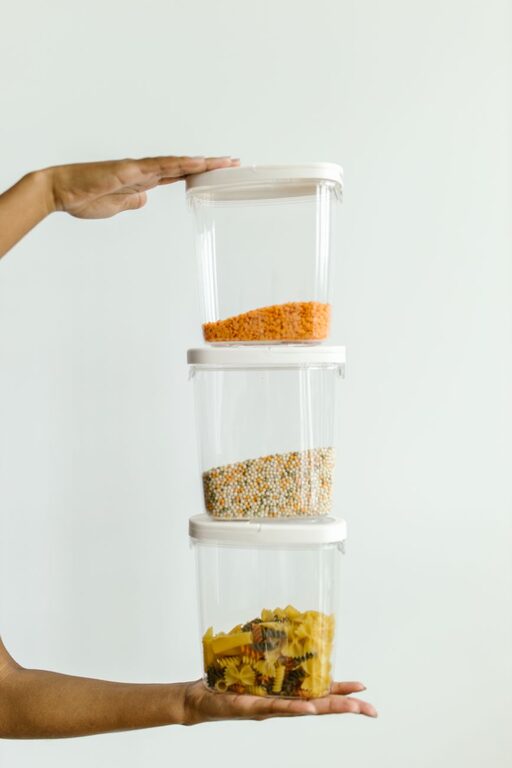
Planning meals with pantry staples can be a game-changer for busy home cooks. Not only does it save time and money, but it also helps reduce food waste by making the most of what you already have on hand. Whether you’re new to meal planning or looking to simplify your cooking routine, this guide will walk you through how to plan meals from pantry basics efficiently and creatively.
Why Plan Meals from Pantry Staples?
Pantry staples are non-perishable items that form the foundation of many meals. Items like rice, pasta, canned beans, canned tomatoes, spices, and dried herbs can be transformed into a variety of dishes. By focusing on these staples, you can:
– Cook meals quickly without a trip to the store
– Avoid last-minute dinner decisions
– Save money by using what you have before buying more
– Reduce food waste by tracking and using pantry items effectively
Step 1: Take Inventory of Your Pantry
Before you start meal planning, it’s important to know exactly what you have. Here’s how to take a quick and effective inventory:
– Pull everything out and group similar items together: grains, canned goods, baking essentials, spices, etc.
– Check expiration dates and toss anything expired or spoiled.
– Write down or create a list of staples you want to use soon.
This inventory will give you a clear picture of your options and inspire your meal ideas.
Step 2: Identify Your Key Pantry Staples
Some pantry items are especially versatile and can serve as the base for many meals. Some staples to look for include:
– Grains: rice, quinoa, pasta, couscous
– Canned vegetables and beans: chickpeas, black beans, corn, tomatoes
– Broths and sauces: chicken broth, vegetable broth, canned tomato sauce
– Baking essentials: flour, sugar, baking powder, oatmeal
– Herbs and spices: salt, pepper, garlic powder, cumin, basil, chili powder
– Oils and vinegars: olive oil, vegetable oil, apple cider vinegar
Step 3: Choose Recipes That Use Pantry Staples
Once you know your staples, plan meals around them. Here are some recipe ideas that primarily use pantry ingredients:
Simple Pantry Meal Ideas
– Pasta with Tomato Sauce: Cook pasta and toss with canned tomato sauce, garlic, olive oil, and herbs.
– Rice and Beans: Combine cooked rice with canned beans, cumin, and a splash of broth for a hearty meal.
– Chickpea Curry: Use canned chickpeas, coconut milk if available, and curry spices to create a quick curry.
– Vegetable Soup: Combine canned vegetables, broth, and spices for an easy soup.
– Stir-Fry with Rice or Noodles: Use pantry vegetables or canned corn plus soy sauce and oil.
Step 4: Mix and Match Ingredients
Experiment with combining your pantry items differently. For example, canned beans can substitute meat in many dishes, and canned tomatoes can be the base for sauces or soups. Using different seasoning blends can also give the same ingredients a fresh twist.
Step 5: Supplement with Fresh Ingredients If Possible
While pantry staples are essential, adding a few fresh ingredients can elevate your meals. Consider adding:
– Fresh garlic, onions, or ginger
– Fresh vegetables like spinach, carrots, or bell peppers
– Fresh herbs like cilantro or parsley
– Eggs or dairy for protein and creaminess
These additions can often be stored for several days, making them practical and convenient.
Step 6: Create a Weekly Meal Plan
Now that you have recipes and ingredients in mind, layout your meals for the week. Here’s a simple planner approach:
- List dinners for each day focusing on pantry-based dishes.
- Note any items you’ll need to buy fresh.
- Plan for leftovers or make double batches to save time.
- Keep your pantry list handy and update it as you use ingredients.
Tips for Successful Pantry Meal Planning
– Organize your pantry: Keep similar items together and label containers to find staples quickly.
– Use airtight containers: Preserve the freshness of grains and spices longer.
– Rotate pantry items: Use older items first to prevent spoilage.
– Batch cook: Prepare larger portions and refrigerate or freeze leftovers.
– Keep a running shopping list: Add staples you run out of to your shopping list automatically.
Conclusion
Meal planning with pantry staples is a practical and sustainable way to enjoy home-cooked meals with less stress. By taking inventory, focusing on versatile ingredients, and mixing creative recipes, you can make dinners that are easy, affordable, and tasty. Next time you open your pantry, you’ll have plenty of ideas ready to go—no last-minute store trips needed!
Happy cooking!




More Stories